



Study: Osaka Kansai International Art Festival 2025: “Entering the 21st century, culture worldwide has shifted beyond mere ‘coolness or beauty.'”
We had a brief chat with the higher-ups of Study: Osaka Kansai International Art Festival, Daisuke Suzuki (General Producer) and Hiroaki Sumiya (Communications Director) to explore just how Kansai and Kanto regions share (and differ) in terms of creative pursuits.

Words by Whiteboard Journal
Words: Garrin Faturrahman
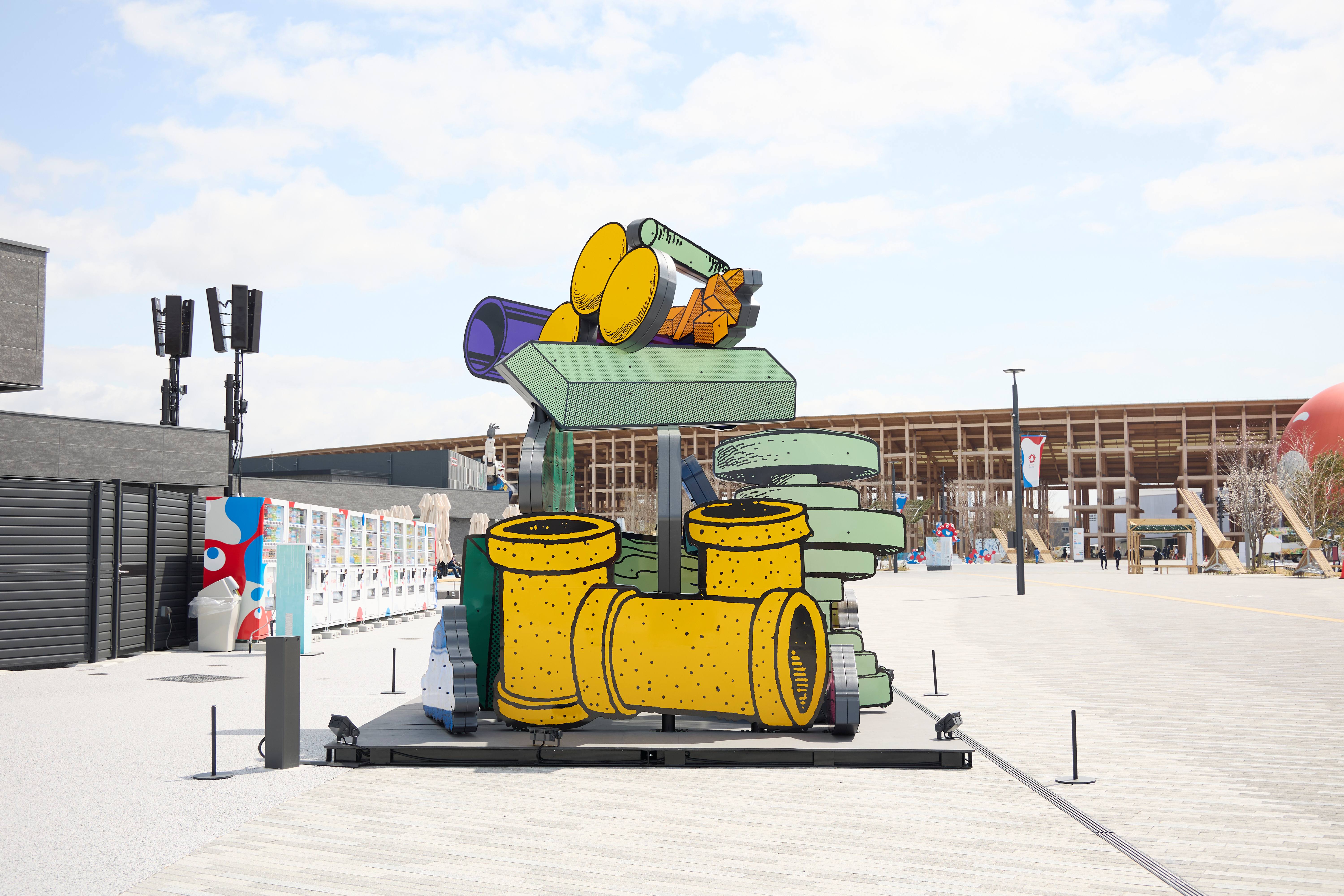
Photo: KANEUJI Teppei “Hard Boiled Daydream(Sculpture/Spook/Osaka)” 2021-2025 (via Study: Osaka Kansai International Art Festival)
Arguably, the rule of ‘each to their own regions’ might also apply in the topic of creative pursuits. The same might also be true when we talk about what separates (or brings together) those coming out of the Kansai or Kanto region. This is something that we tried to explore in brief with the higher-ups of a grand art festival in the Kansai area—Study: Osaka Kansai International Art Festival—being Daisuke Suzuki (General Producer) and Hiroaki Sumiya (Communications Director).
The art festival which included more than 100 artists from more than 25 countries is reaching the end of its lifespan this year after half a year of it taking place in Expo 2025 Osaka. 13 October 2025 will be its last day. Stop by if you are around the area.
You are well-versed in Japanese contemporary art and, particularly through Study: Osaka Kansai International Art Festival, introduce the art scenes of Tokyo and Osaka to the world. Beyond being major Japanese cities, what is the reason for spotlighting art in these two cities?
Study: Osaka Kansai International Art Festival is an art festival that “studies the relationship between Art × People × Society.” With “Social Impact” as its theme, it aims to revitalize the economy through culture and the arts and to visualize social issues.
Historically in Japan, Osaka was known as “Kamigata” during the Edo period (now called Kansai), and was a crucial city as a hub for Japanese culture and economy. In contemporary art too, internationally active artists like Yasumasa Morimura, Chiharu Shiota, and Kohei Nawa are from Osaka.
Expanding the discussion to the two cities of Tokyo and Osaka, Japan from the late 1970s to the 1990s was recognized globally as an economic powerhouse, giving birth to diverse cultures. In architecture, Tadao Ando; in fashion, Issey Miyake; in music, Fantastic Plastic Machine; in photography, Daido Moriyama; and in literature, Haruki Murakami gained worldwide recognition. Among them, many creators hailed from the Kansai region—Osaka, Kyoto, Hyogo—and later expanded their activities in Tokyo, connecting across fields to the global contemporary art scene.
Then, entering the 21st century, major earthquakes struck both western and eastern Japan. Furthermore, influenced by recent global environmental challenges and geopolitical crises, I feel that culture worldwide has shifted beyond mere “coolness or beauty.” Key topics now include deep thinking, like that found in contemporary art, and “what can be done for society.”
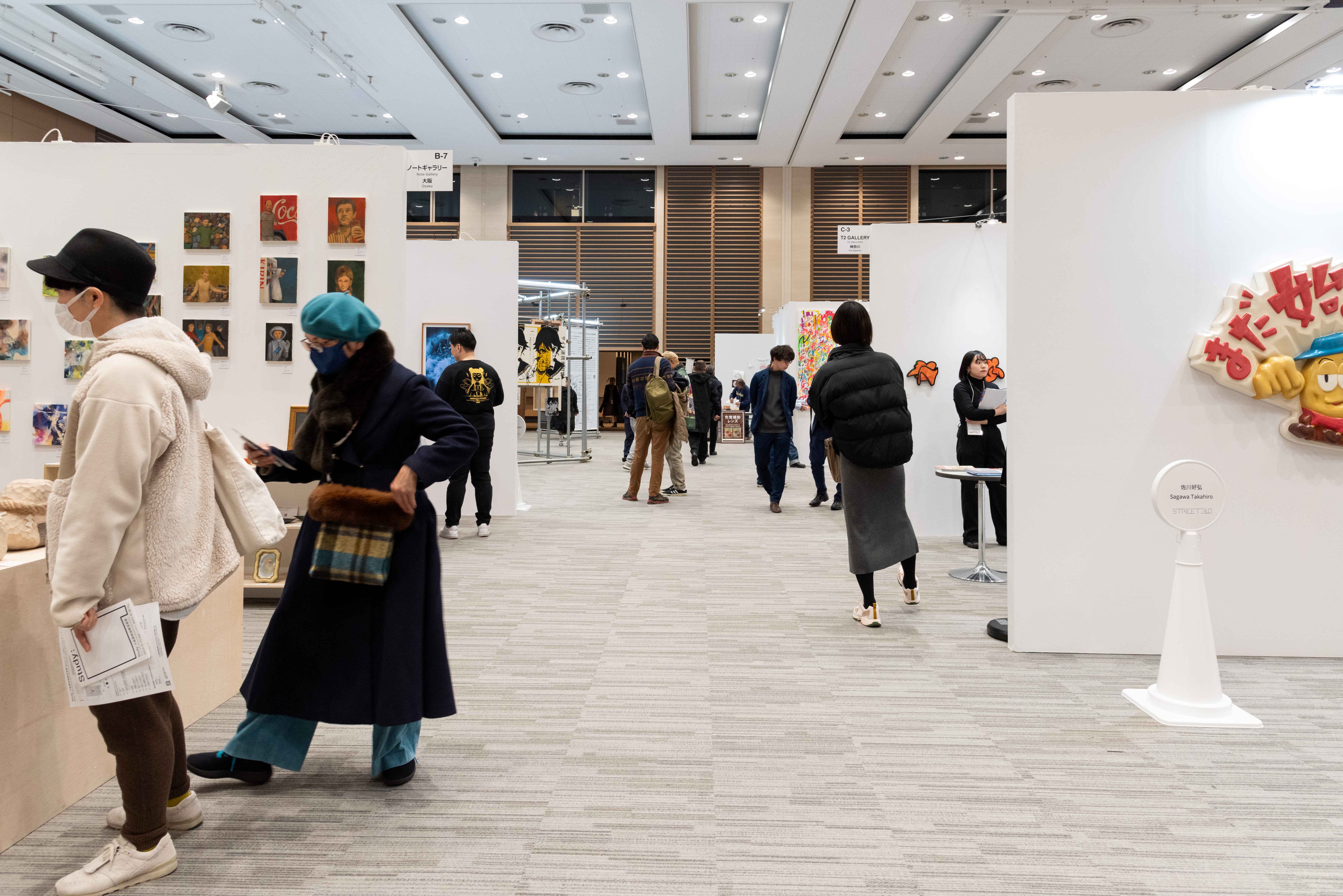
Image via Study × PLAS : Asia Art Fair
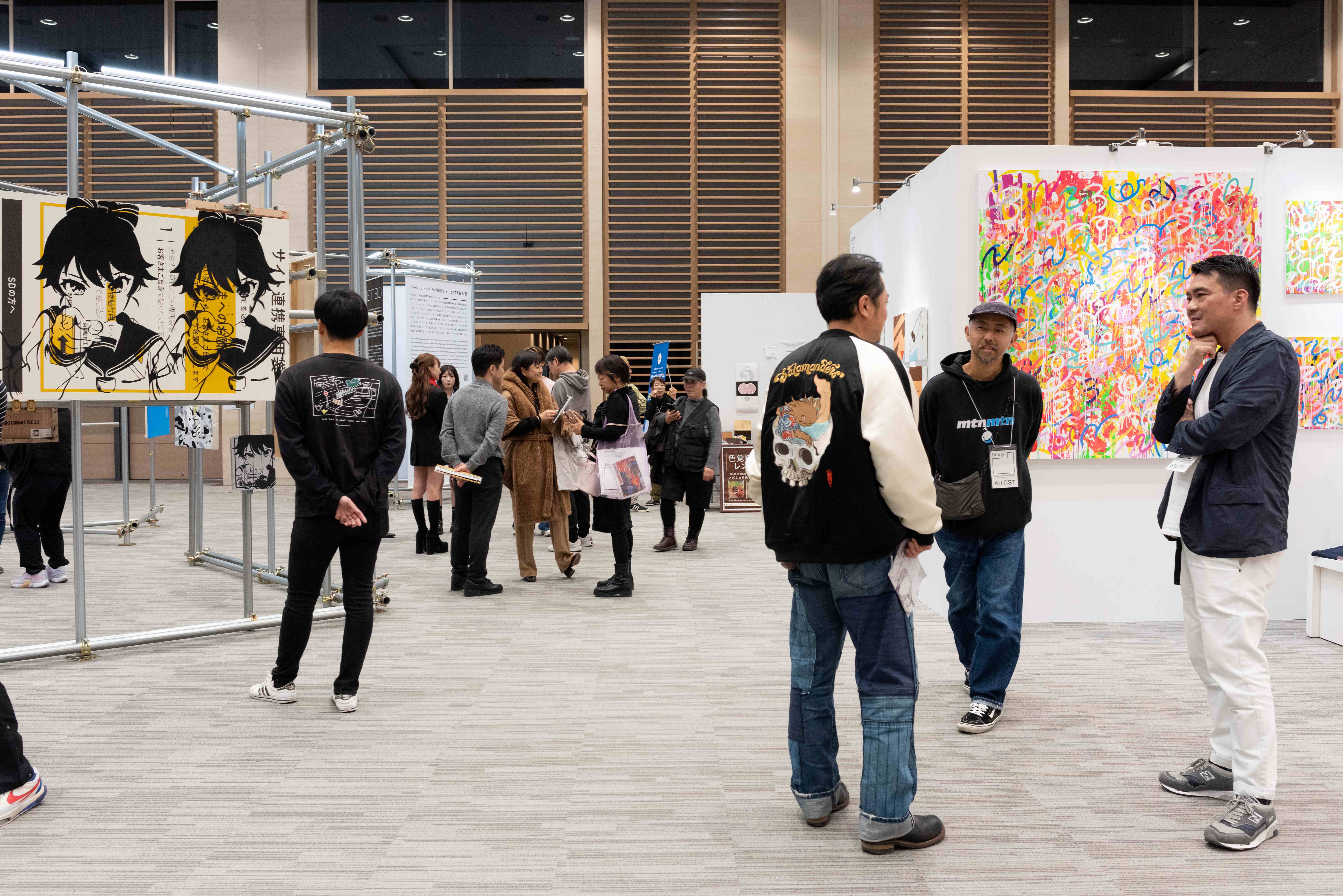
Image via Study × PLAS : Asia Art Fair
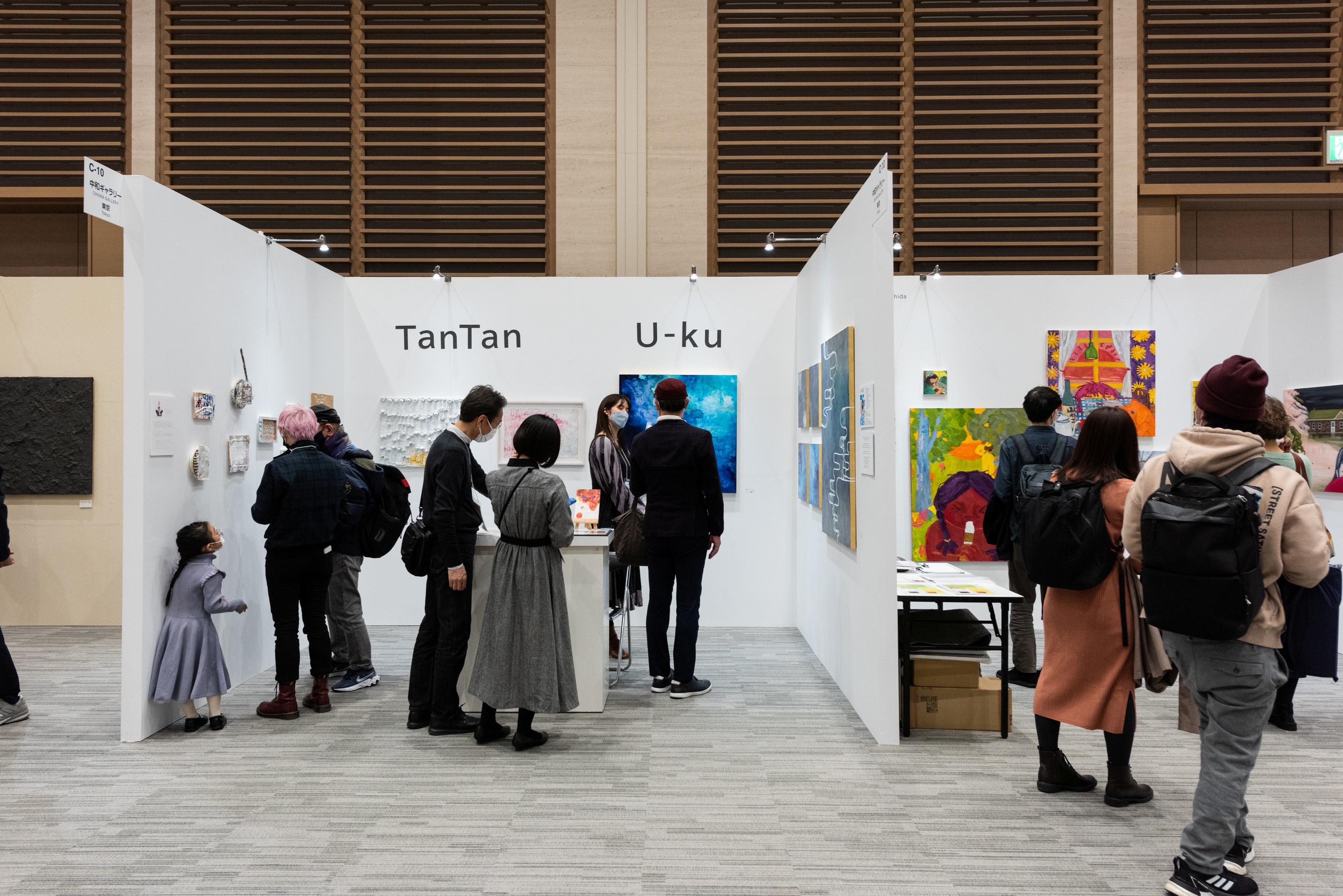
Image via Study × PLAS : Asia Art Fair
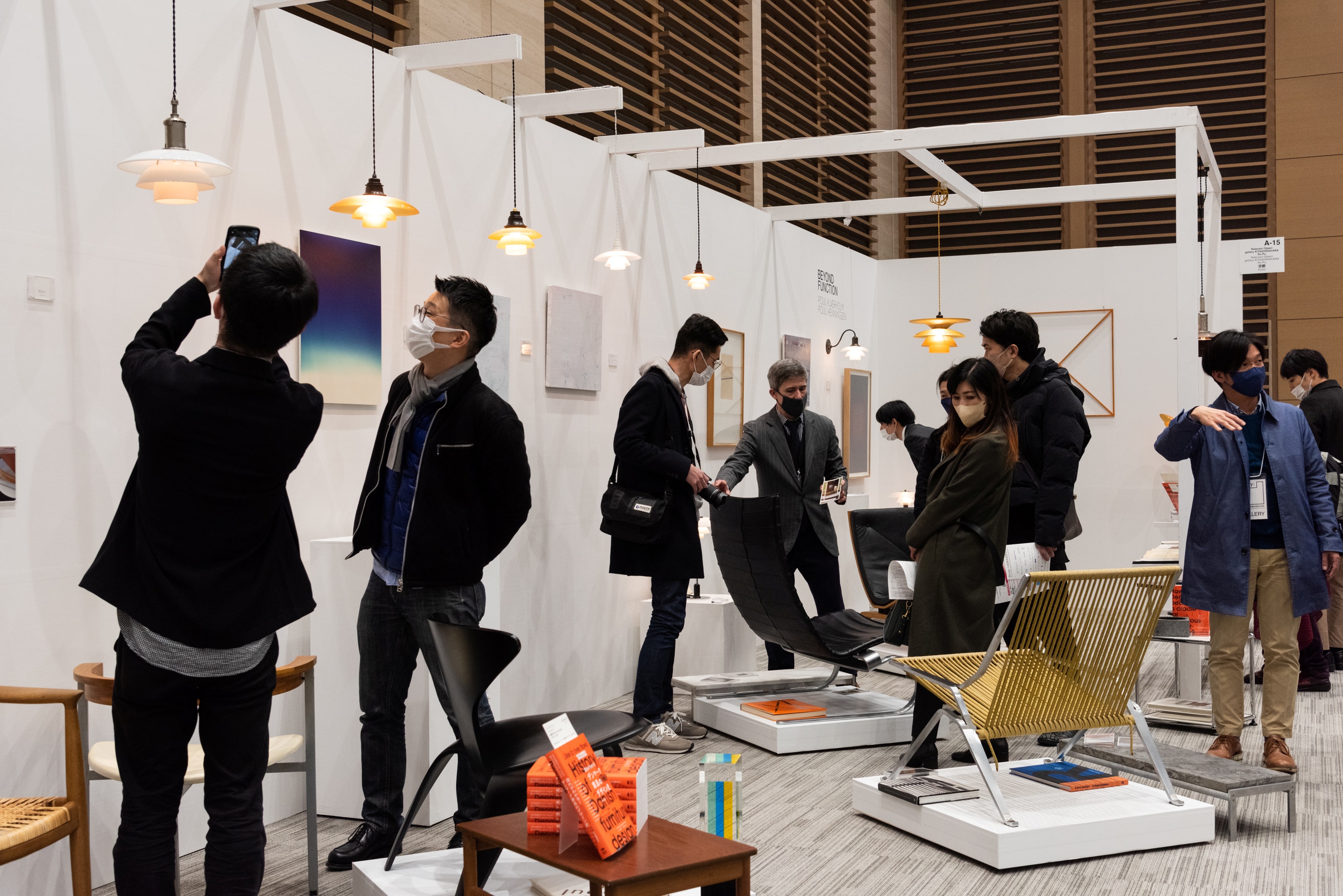
Image via Study × PLAS : Asia Art Fair
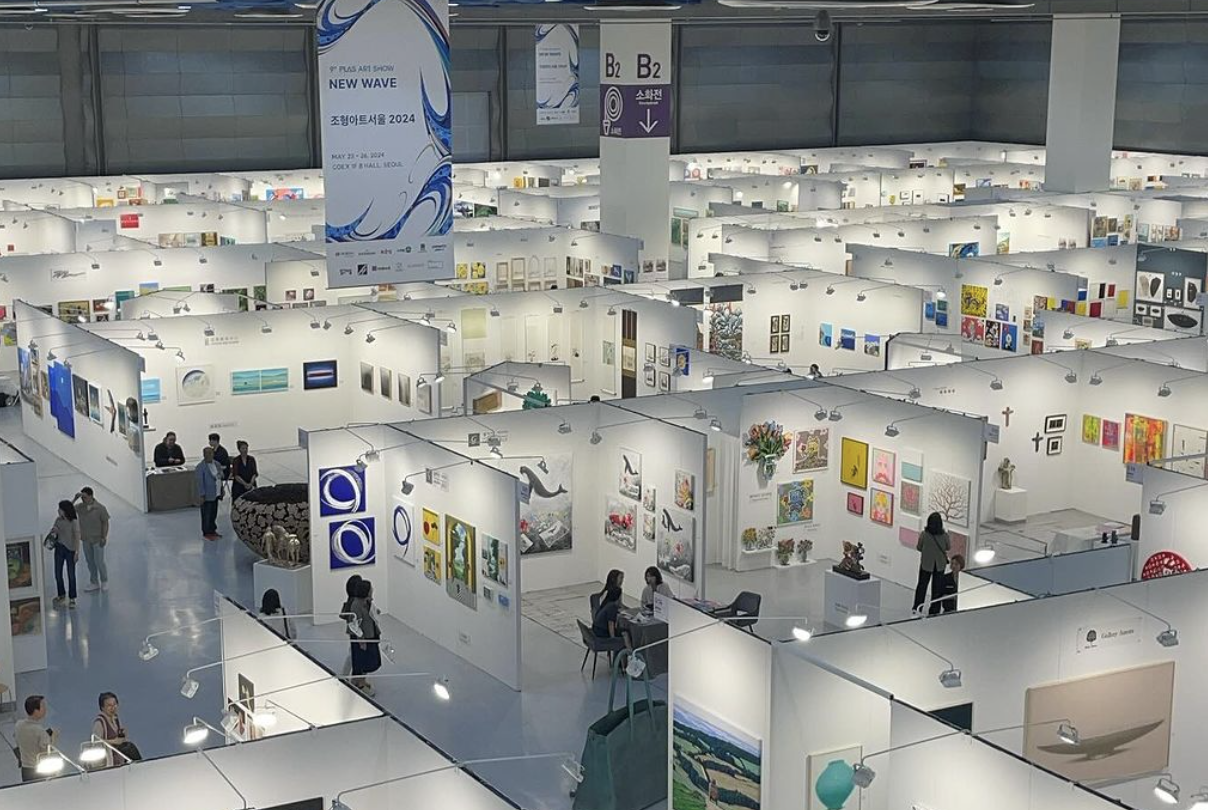
Image via Study × PLAS : Asia Art Fair
Study: At the Osaka Kansai International Art Festival 2025, the venue at the Senba Excel Building specifically introduces contemporary artists connected to the Osaka and Kansai region. Other venues include the Osaka Museum of Culture at Tempozan, designed by Tadao Ando; the Nishinari area, which supported Osaka during its period of high economic growth; and the National Museum of Ethnology within Expo ’70 Commemorative Park, where Taro Okamoto’s Tower of the Sun remains.
With the 1970 Osaka Expo held here and the 2025 Osaka Kansai Expo approaching, this area is gaining global attention. We hope Study: Osaka Kansai International Art Festival will allow people worldwide to understand Osaka’s cultural aspects and its social and economic background. Through art, we aim to continuously communicate these diverse facets moving forward.
To put it simply, what was the first major development in Japan’s contemporary art scene in Tokyo and Osaka?
After the war, the birth of the Gutai Pinacoteca in Osaka’s Nakanoshima, where artists like Jiro Yoshihara and Kazuo Shiraga worked, was an extremely important event in the history of global contemporary art.
In Tokyo, the opening of the Tokyo Gallery in Ginza—East Asia’s first contemporary art gallery—played a vital role. It not only introduced Japanese postwar art movements like Gutai and Mono-ha but also pioneered the introduction of Korean and Chinese artists, connecting the scene to the international art world.
Since the 2000s, Japan has seen a nationwide movement where not only cities but also regional areas that thrived on agriculture and industry, now facing the serious challenge of population decline, have sought to create and communicate their unique appeal. This has been achieved through the power of contemporary artists and locally distinctive art festivals, such as the Echigo-Tsumari Art Triennale and Naoshima. In fact, it’s not just rural areas; diverse challenges specific to cities like Tokyo, Osaka, and Nagoya are also coming into sharp focus. I feel it’s crucial to reexamine the historical events and identities unique to these cities through the sharp perspective of contemporary artists.
Based on that, could you elaborate on the main differences in the progression of the creative scenes in Tokyo and Osaka?
Historically, experimental and powerful creative phenomena that seemed to emerge organically from within often originated in the Kansai region, such as Osaka or Kyoto.
These artists would then connect to the international scene through Tokyo’s media and achieve success. However, now that internet media and individual use of technology have become commonplace, I feel that artists, curators, collectors, and audiences in regional cities and areas around the world can connect and thrive globally—even with cities outside Europe and America, such as in Asia—without necessarily going through Tokyo (or New York, London, etc.).
In Indonesia today (at least in major cities), art has become more accessible to the general public, and interest in and understanding of the arts has grown. Is a similar phenomenon occurring in Japan?
Japan has always had a strong foundation of art enthusiasts who frequently visit museums. However, in the past, many people viewed art primarily as a hobby or source of enjoyment, and the general public tended to be more interested in antique art, crafts, and modern masters than in contemporary art. This perspective might resonate with Indonesia’s emphasis on traditional culture.
On the other hand, in response to recent global environmental crises and various conflicts, the ideas found in festivals and Zen philosophy—which Japanese people have long cherished—offer concepts about coexistence between humans and nature, and how different communities can peacefully coexist.
These concepts offer hints for sustainable living essential to contemporary people. Indeed, they serve as a source of inspiration even for globally active contemporary artists. Artists and artworks embodying such ideas actually resonate deeply with ordinary Japanese people, transcending the art genre and beginning to gain prominence.
Moving on, how has the general public’s perception of art in Japan changed in recent years, particularly among those not deeply knowledgeable about art?
In the past, contemporary art was only of interest to a select few creative professionals or those seeking an unconventional, edgy lifestyle. However, in recent years, leading business professionals and entrepreneurs have also begun showing interest in the innovative and groundbreaking perspectives contemporary art offers. These individuals are increasingly becoming a new generation of collectors.
Furthermore, Japan hosts numerous art festivals in regional cities and boasts many buildings designed by renowned architects. Discovering unique local landscapes and enjoying regional cuisine and culture through these festivals provides a gateway for the general public to engage with art.
Art is sparking connections with local communities, leading more young people to relocate to these areas.

“Shoes for a Post-traumatic Future”, Sruli Recht Bikin Sepatu Untuk Cuaca Ekstrim

UNIQLO x White Mountaineering Menyapa Musim Gugur dan Dingin Dengan Koleksi Terbaru

Mengubah Musik menjadi Suara bersama Voice of Baceprot
